Believe it or not, trauma doesn’t just end when the physical scars heal.
For many survivors of life-altering events, the real battle begins afterward, where the battle to reclaim your senses and mental health is fought silently within the confines of your consciousness. Post-traumatic stress disorder (PTSD) is a psychological response to trauma. This reshapes how individuals perceive the world, themselves, and others—after being faced with a trauma—be it physical or physiological.
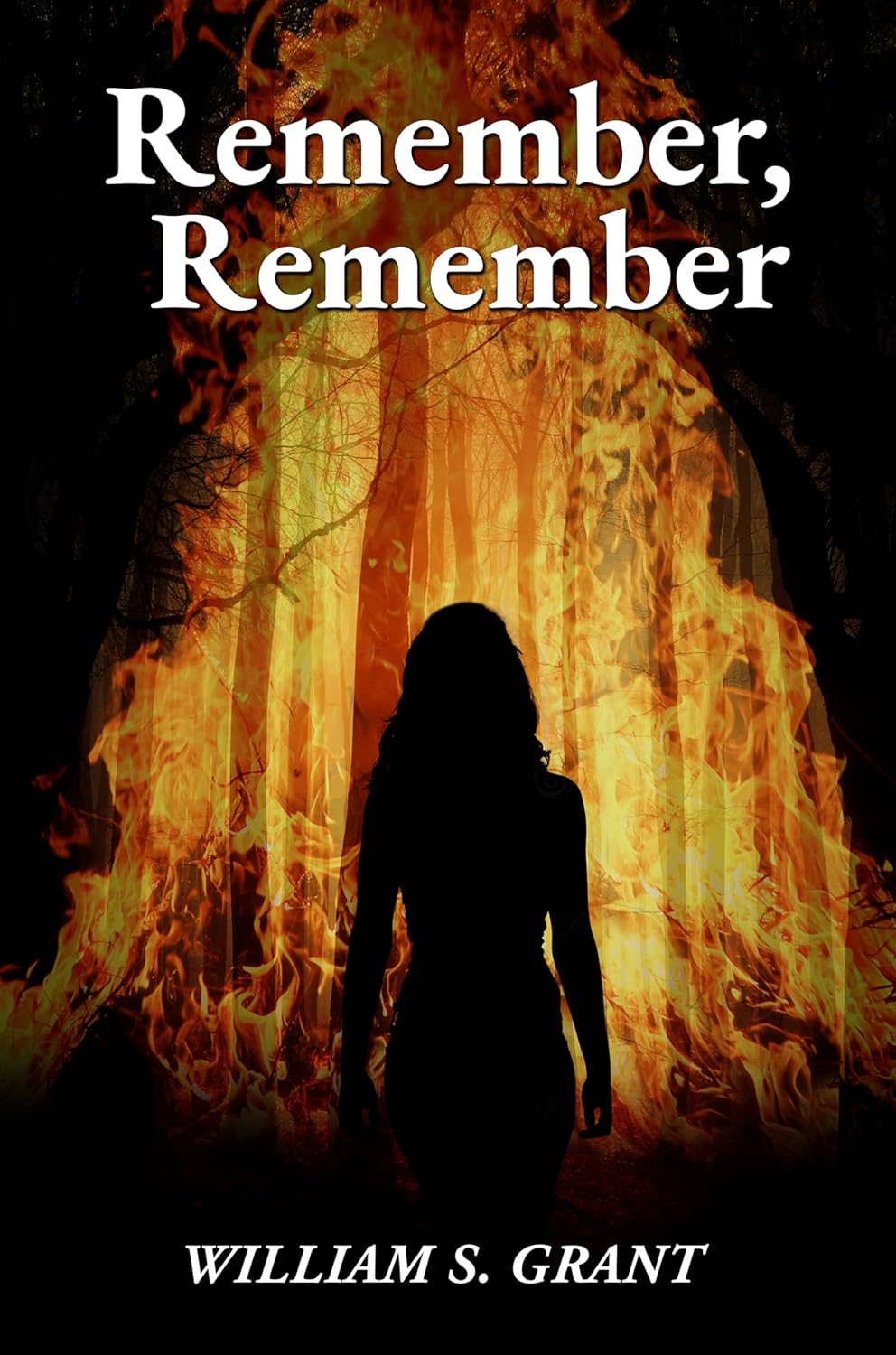
For example, in Remember, Remember, Deanne Wallace’s journey after her brutal attack is a vivid exploration of the impact of PTSD after her once-secure world becomes a minefield of triggers. The sound of fireworks becomes a harrowing reminder of her night of terror. The woods, once a place of peace, turn into a haunting reminder of violence and trauma that pulled her deep into the pain and horrors—forcing her to relive the moments she desperately wanted to escape.
PTSD manifests in many ways. This can include flashbacks, nightmares, heightened anxiety, and a persistent feeling of being unsafe. For example, in the novel, Deanne experiences a severe anxiety attack as a result of post-traumatic stress. Deanne was a heap. She was looking like a wet rag doll. She was breathing but could not be roused.
Deanne’s struggle with these symptoms is heart-wrenchingly relatable. Her hyper-awareness, difficulty trusting, and struggle to reconnect with her former life mirror the experiences of countless survivors who might have lived or experienced such intense. In addition to many themes and candid details, William S. Grant captures these nuances with sensitivity. This provides a lens into the often misunderstood world of PTSD.
Beyond the individual, trauma has a ripple effect on relationships, as evidenced by Deanne’s husband, Matt, who is deeply affected and struggles with guilt and helplessness as he watches his wife navigate her pain. Their once-intimate bond and the life they envisioned together are strained as they both struggle to find a way forward to reconnect and live.
What makes Deanne’s story so impactful is her resilience. In contrast, recovering from PTSD is difficult for everyone because it is not a linear process. Grant’s portrayal reflects this truth. Therapy, support, and self-discovery play pivotal roles in her journey. Slowly and gradually, Deanne learns to confront her trauma and take steps toward reclaiming her life again.
While there are many stories that discuss trauma and such instances, Deanne’s story through the lens of Remember, Remember is different, as its genuine and original portrayal reflects the harsh realities that survivors often face after a trauma or an unrealistic event.
This book serves as a powerful reminder of the human spirit’s capacity to endure and heal. It also sheds light on the importance of compassion, understanding, and patience—both for oneself and others. For anyone looking to understand PTSD or seeking hope amidst their struggles, Remember, Remember offers both a compelling narrative and a poignant exploration of life after trauma.
Follow Deanne Wallace’s harrowing journey from victim to empowered survivor after a violent assault on Guy Fawkes Night. Set against the haunting backdrop of an English winter, this gripping novel explores Deanne’s quest for revenge and self-reclamation. It weaves suspense and romance into a powerful narrative about resilience and justice. As she pursues her attacker, witness how Deanne’s relationships, especially with her husband, Matt, are tested, adding emotional depth to the story. If you love thrillers with a knack for suspense, crime, and justice—this novel will indeed captivate you with its nuanced portrayal of complex characters, amazing plot, thought-provoking themes, and the lengths one will go to for peace and redemption.
Here are a few reasons why this thriller is a hidden gem:
- Deanne Wallace is a deeply complex character whose journey through grief and revenge is portrayed with raw authenticity. Her determination and evolution throughout the novel add layers to the traditional thriller protagonist.
- The novel’s plot is filled with unexpected twists and turns. Plus, William S. Grant’s skillful manipulation of suspense ensures that every chapter offers new revelations and keeps the tension high.
- Beyond its thrilling narrative, this book delves into themes of vengeance, justice, and personal transformation. It challenges readers to consider the moral complexities of retribution and the impact of trauma.
- Grant’s writing is engaging and evocative. Vivid descriptions and a fast-paced narrative draw readers into the story, and his ability to create a tense atmosphere and develop characters makes this book a standout in the genre.
Get your copy on Amazon: https://www.amazon.com/dp/B0D9TWH7H3.