Have you ever heard of a crime that left you speechless? Perhaps a crime that had repercussions long after it was committed.
Many true crime survival and revenge stories make headlines and linger in our minds for days. In light of this, thrillers like William S. Grant’s “Remember, Remember” tap into raw reality, combining the grit of true events with the sharp edge of fiction. This debut novel feels so real you’d swear it’s torn from a case file following Deanne Wallace’s brutal attack and her chilling response. By mirroring real-life tales of resilience and retribution, it delivers psychological depth that hits close to home.
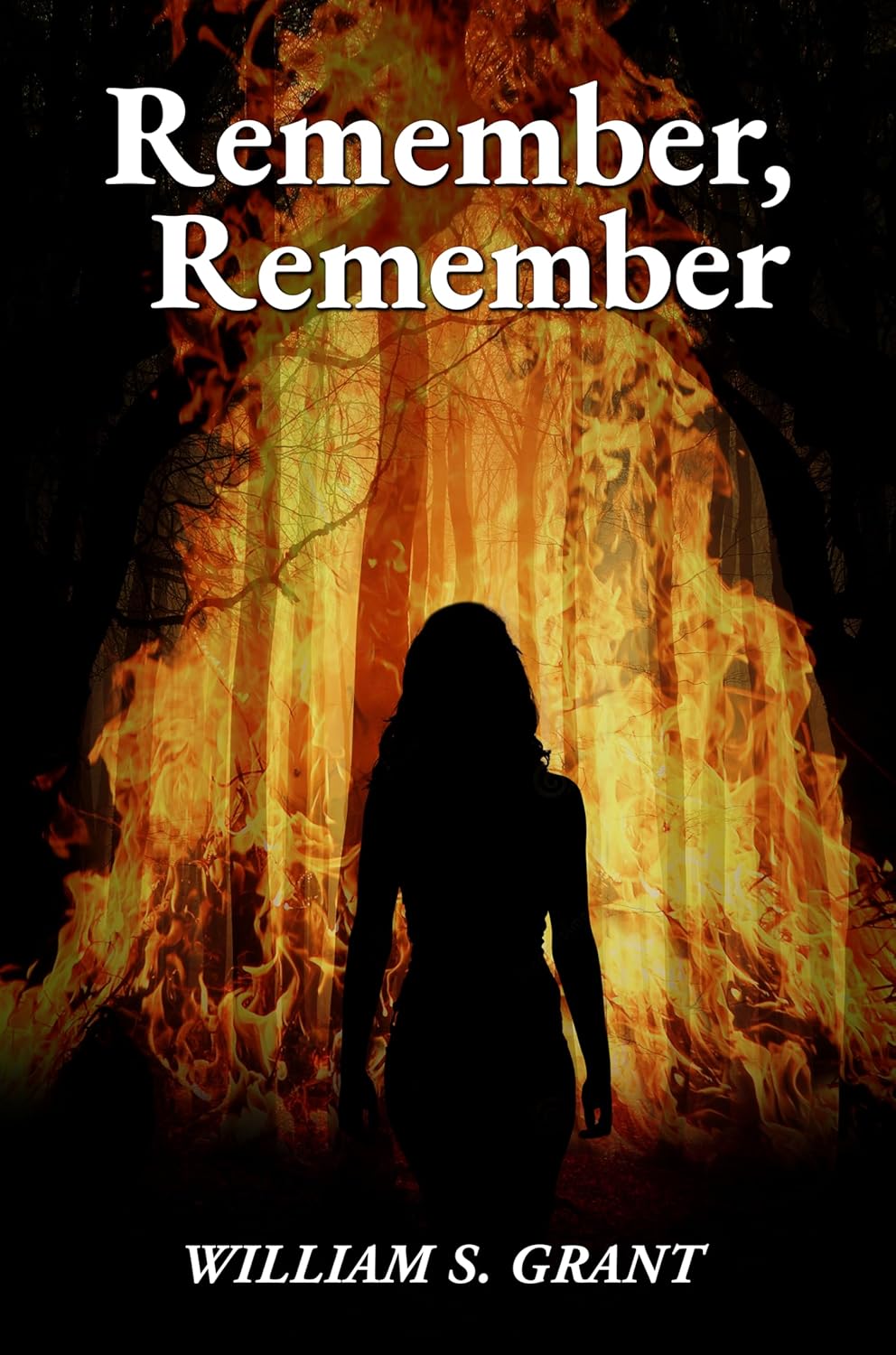
Take Deanne’s story: a quiet night in a London wood explodes into violence on Guy Fawkes Night. She’s jogging with her German Shepherd Smarts when a man—later revealed as Walker—attacks, beating her senselessly and killing her dog. She falls into a coma and awakens with a body incapable of bearing children and a traumatized mind. It is a nightmare based on cases we have all read about, where random assaults destroy people’s lives. Think of survivors like Elizabeth Smart, abducted in 2002 and held for nine months, who turned pain into purpose, or even lesser-known victims who’ve fought back against odds.
Revenge, too, has its parallels. In 2013, a woman in India lured her rapist to a meeting and set him ablaze, a stark act of vengeance that stunned the world. Deanne’s arc bends toward something similar. Two years after her attack, on another Guy Fawkes Night, Walker ends up dead in a bonfire. The police suspect she’s behind it, though proof slips through their fingers. Grant digs into the messy psychology: the guilt, the relief, and the quiet power of taking control. It’s not a cartoonish vigilante tale; it’s a woman pushed past breaking, mirroring how real survivors sometimes cross lines when justice fails. The realism stings because it’s believable, as Deanne’s kickboxing sessions, her calculated moves, and her complicity feel like choices people might make to take back control of their lives.
The book’s setting amplifies the crime. Guy Fawkes Night, with its bonfires and fireworks, is a British staple that Grant turns into a stage for chaos. The woods, the frost, and the festive noise masking screams become a setting that recalls crime, just as real crimes frequently strike during celebrations, catching victims off guard. Consider the 1989 Central Park jogger attack, in which normalcy was abruptly transformed into horror.
Moreover, Grant’s details—Smarts’ DNA on Walker, the police’s slow grind—reflect forensic breakthroughs in true crime, anchoring the fiction in a process familiar from documentaries.
What sets Remember, Remember apart is its focus on the aftermath. The story demonstrates that survivors don’t just walk away; they carry scars. Deanne’s triggers, from sudden noises to dark spaces and mental challenges, mirror PTSD stories from assault victims, while her visit to Linda Warren’s grave in San Diego feels like a nod to those who find strength in lost loved ones. Plus, Matt’s struggle to support her reflects the strain families face in real cases, like the spouses of murder victims who wrestle with helplessness.
Thrillers inspired by real crime deserve applause because they touch the deepest part of our souls. In this essence, Remember, Remember takes survival and revenge from headlines and weaves them into a realistic tone and narrative, where, through Deanne’s world, the book is able to deliver a psychologically sharp and gripping case that won’t leave you that easily.
Despite being fiction, the book feels like truth and proves to be a testament to how real events fuel the best tales of human endurance and test the courage of ordinary individuals who do not have anything to lose except their dignity.
If you want to learn more, read Remember, Remember.
You can purchase the book on Amazon: https://www.amazon.com/dp/B0D9TWH7H3/.