Trauma can have a significant and long-lasting effect on a person’s physical, mental, and emotional health. We’ll look at the several ways trauma can show up in this blog, as well as coping mechanisms that survivors can use to get through their healing process.
The Nature of Trauma
Many events, such as sexual or physical abuse, accidents, natural catastrophes, or witnessing violence, can result in trauma. It overwhelms the person’s capacity for adjustment, resulting in feelings of powerlessness, fear, and emotional dysregulation. Trauma can cause symptoms including anxiety, sadness, nightmares, flashbacks, and hypervigilance by upsetting a person’s feeling of safety, trust, and interpersonal connection. The trauma brought on by incidents like physical or sexual abuse, mishaps, natural disasters, or seeing violence seriously throws off a person’s psychological equilibrium. It overpowers their defenses, leaving them feeling entirely defenseless, afraid, and emotionally dysregulated.
Additionally, trauma damages a person’s sense of safety, eroding trust and connections. This is often accompanied by a variety of symptoms, such as anxiety, hopelessness, intrusive flashbacks, debilitating nightmares, and a hyperarousal state characterized by hypervigilance. The journey towards healing and rehabilitation is made more difficult by these symptoms, making it difficult to go about everyday activities and negatively impacting one’s overall quality of life.
Understanding Trauma Responses
It is important to recognize that trauma responses are common reactions to extraordinary events. Survivors may have a range of emotions, such as fear, fury, shame, and guilt. These emotions may surface again when the traumatic event is recalled, and they may evolve over time. Understanding and validating survivors’ experiences is crucial to supporting them in their rehabilitation and building resilience.
Coping Strategies for Survivors
Trauma survivors use a variety of coping mechanisms to control their symptoms and guide their recovery. These could be reaching out to friends, family, or support groups for assistance; attending therapy or counseling, engaging in self-care activities like physical activity, mindfulness, or creative expression; or establishing boundaries to safeguard their mental and physical health. Through coping mechanisms, survivors can reclaim agency and control over their lives. In order to negotiate the challenging landscape of rehabilitation and restore a sense of security and control, trauma survivors utilize a variety of coping strategies. Seeking assistance from loved ones, friends, or support groups provides a secure environment for survivors to talk about their experiences, get understanding, and get support. Under the supervision of qualified specialists, therapy or counseling offers survivors a controlled setting in which they can examine their trauma, pick up coping mechanisms, and manage their emotions. By partaking in self-care activities like physical activity, mindfulness exercises, or artistic endeavors, survivors can foster their mental health and develop resilience and inner serenity. Setting limits is essential to protecting them from future injury and giving their mental and physical health top priority. Adopting these coping strategies helps survivors restore their agency.
Conclusion
Trauma has a significant effect on people’s lives, having an impact on their physical, mental, and emotional health. However, survivors may manage their healing process and regain their lives if they can access tools, understanding, and support. Survivors can develop resilience and progress towards healing and recovery by employing coping mechanisms like asking for help, going to therapy, taking care of themselves, creating a support system, and discovering meaning and purpose in their lives.
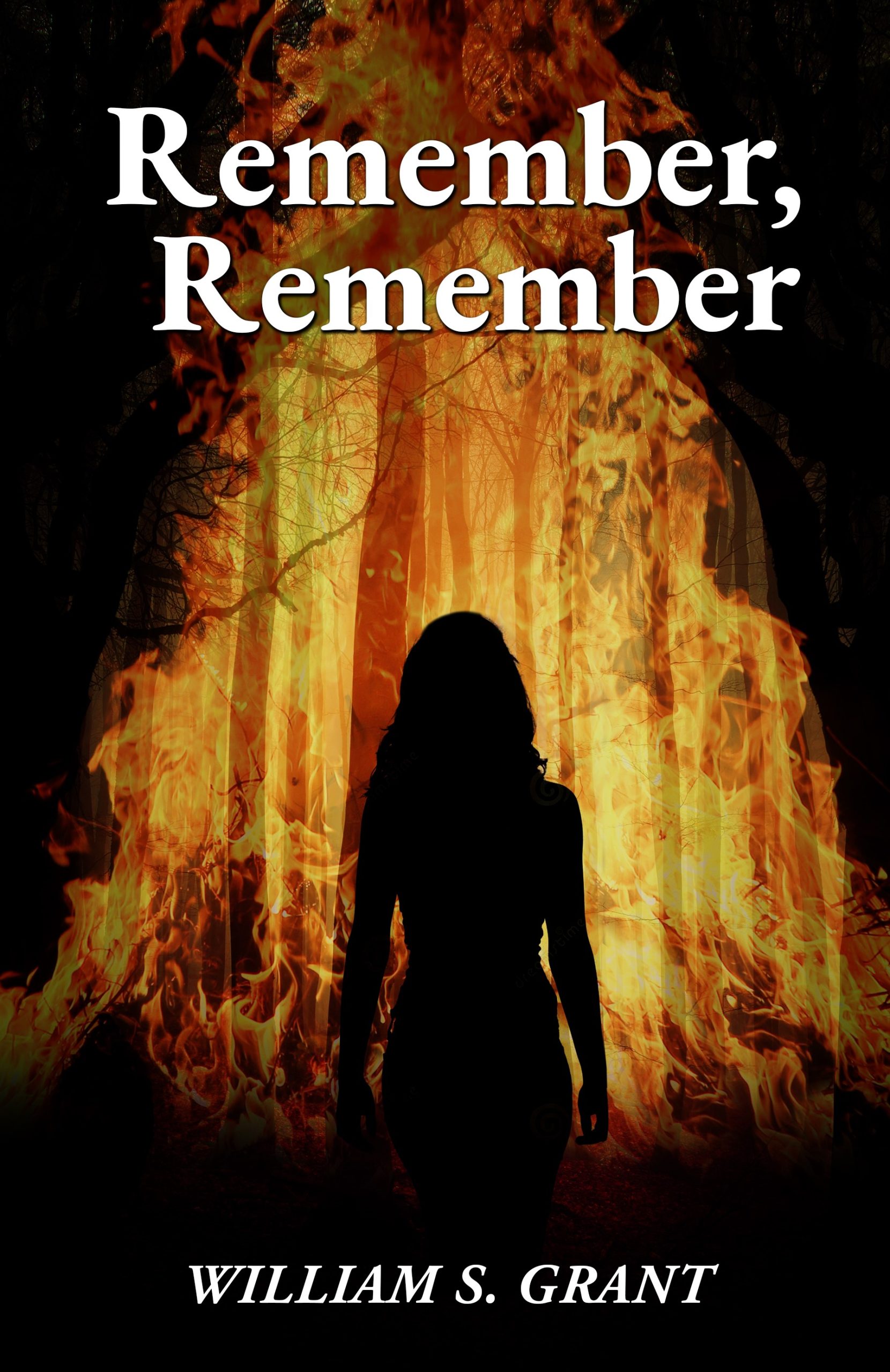
Prepare to embark on a gripping journey of resilience and redemption with William S. Grant’s upcoming release, “Remember, Remember,” soon on Amazon. Delve into a riveting narrative that explores the profound impact of trauma on its characters, offering insights into the complexities of survival and revenge. Pre-order your copy now and immerse yourself in a tale that will leave you pondering the depths of the human spirit. Don’t miss out on this unforgettable exploration of trauma and resilience.